
How to Avoid Common Cloaking Mistakes in Ad Campaigns
 admin
admin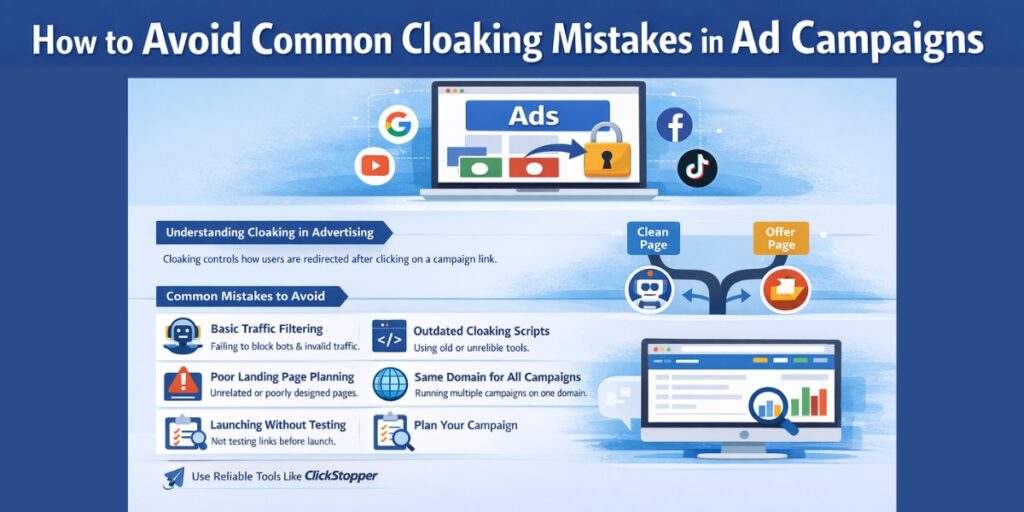
Online advertising has become more competitive in recent years, and marketers are constantly looking for better ways to manage their campaigns. Many advertisers rely on Best Link Cloaker Tools to organize their campaign links and present cleaner URLs to users. While cloaking can help simplify link management and improve campaign structure, mistakes in the setup process can create serious issues such as ad disapprovals, incorrect traffic routing, or inaccurate campaign data.
Understanding how cloaking works and avoiding common errors is important for anyone running advertising campaigns across platforms like Google Ads, Facebook Ads, or TikTok Ads. When used correctly, cloaking tools can help maintain organized campaigns and provide better control over how traffic is directed.
Understanding Cloaking in Modern Advertising
Cloaking in advertising generally refers to controlling how users are redirected after clicking on a campaign link. Instead of sending all visitors directly to the same destination, advertisers may structure the traffic flow through different pages depending on the campaign setup.
Modern advertising platforms use advanced systems to review campaigns and detect unusual activity. Because of this, cloaking should always be implemented carefully. Advertisers must ensure that their campaigns remain organized, transparent in tracking, and technically stable.
Using a reliable best Cloaker tool can help marketers manage links from a central dashboard and maintain a structured campaign system. However, tools alone are not enough. Proper planning and continuous monitoring are also essential.
Common Cloaking Mistakes Advertisers Should Avoid
Many campaign issues happen because marketers rush into cloaking without fully understanding how to configure their setup. Below are some common mistakes that advertisers often make.
1. Relying on Basic Traffic Filtering
Some marketers assume that simple filtering methods are enough to manage campaign traffic. In reality, traffic behavior has become much more complex. Bots, automated traffic, and unusual browsing patterns can affect campaign data.
Without proper monitoring, these issues can lead to inaccurate performance reports and poor optimization decisions.
2. Using Outdated Cloaking Scripts
Another mistake is relying on outdated scripts or poorly maintained cloaking tools. Advertising platforms frequently update their systems, which means older tools may not function correctly.
A modern Best Ads Cloaking Tool usually offers improved traffic management, link monitoring, and better campaign organization. Choosing updated technology helps advertisers maintain more reliable campaigns.
3. Poor Landing Page Planning
Many advertisers focus only on generating clicks but overlook the structure of their landing pages. If the landing page does not match the advertisement message, users may leave quickly and campaign performance may decline.
A better strategy is to create a structured flow where users move through informative pages before reaching the final offer.
4. Running Multiple Campaigns on the Same Domain
Using one domain for many cloaked campaigns can create unnecessary risks. If a problem occurs with one campaign, it may affect other campaigns connected to the same domain.
Separating campaigns using different domains or subdomains can help reduce potential risks and keep marketing projects organized.
5. Launching Campaigns Without Testing
Testing is often ignored when marketers are eager to launch campaigns quickly. Without proper testing, redirects may fail on certain devices or locations, which can disrupt the user experience.
Before scaling a campaign, advertisers should always check how their links behave in different environments and ensure that all pages load correctly.
Tools That Help Manage Campaign Traffic
Reliable tools can make campaign management much easier. Advertisers often use platforms designed to monitor traffic behavior and maintain organized link structures.
For example, ClickStopper is a platform used by marketers who want better visibility into their campaign traffic and link management systems. Tools like this can help advertisers maintain structured campaigns and track how their marketing links perform.
Best Practices for Running Stable Campaigns
Advertisers who want to avoid cloaking mistakes should follow a few practical steps. First, always plan the campaign structure before launching advertisements. Second, test all links and landing pages to confirm they work properly. Third, monitor traffic data regularly to identify unusual patterns.
Maintaining clear link organization and regularly reviewing campaign performance can help advertisers avoid many common problems.