
What Is Native Ads Cloaking and How It Works in 2026
 admin
admin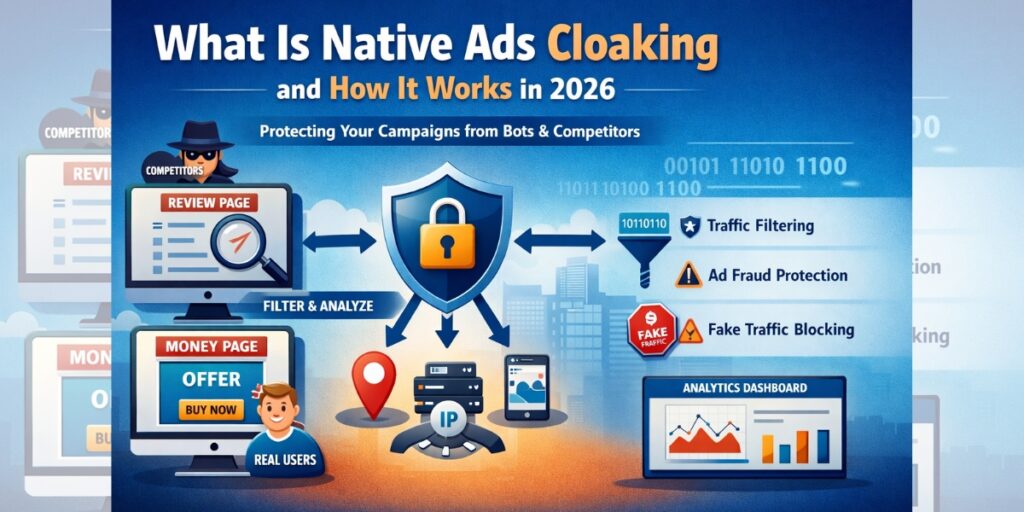
Native advertising has become one of the most powerful ways for marketers to reach audiences online. Unlike traditional ads, native ads blend naturally with the content of a website, making them less intrusive and more engaging for users. However, with the growth of native advertising, advertisers are also facing new challenges such as policy restrictions, competitor monitoring, and invalid traffic. Because of these issues, many marketers rely on Best Native Ads Cloaking techniques to protect their campaigns and control how traffic is directed.
Understanding Native Ads Cloaking
Native Ads Cloaking is a method used to control which users or systems can view specific versions of a landing page. In simple terms, it allows advertisers to present different content depending on the type of visitor accessing the link.
For example, a campaign may show a compliant page to ad network reviewers while directing real users to the main marketing page. This process helps advertisers maintain campaign stability and manage their promotional content more effectively.
Cloaking systems usually analyze multiple factors such as:
- IP address
- Device type
- Location
- Browser information
- Traffic source
Based on these signals, the system decides which page version should be displayed.
Why Native Ads Cloaking Is Used
As digital advertising platforms become stricter with their policies, marketers need better tools to manage traffic and maintain campaign performance. Native ads often attract high volumes of traffic, which can include bots, competitors, and automated scanners.
Using a cloaking system allows advertisers to:
- Reduce the impact of suspicious traffic
- Prevent competitor spying
- Maintain consistent campaign performance
- Improve traffic filtering and routing
When implemented correctly, cloaking can help advertisers manage complex campaigns without interrupting their ad delivery.
How Native Ads Cloaking Works
Modern cloaking systems operate using intelligent filtering technology. The process usually works in several steps:
1. Traffic Detection
When someone clicks an ad, the system first analyzes the visitor's information. This includes their IP address, device type, location, and browsing behavior.
2. Traffic Classification
After collecting data, the system determines whether the visitor is a real user, a bot, or a review system from an advertising network.
3. Page Routing
Based on the classification, the visitor is redirected to a specific page. For example, genuine users may see the main promotional content while review traffic may be directed to a neutral landing page.
4. Campaign Monitoring
Advanced cloaking platforms also provide analytics dashboards that allow marketers to monitor clicks, traffic sources, and suspicious activity.
The Role of Traffic Protection in Native Advertising
One of the biggest problems in online advertising is invalid or fake traffic. Bots and automated systems can generate large numbers of clicks that waste advertising budgets and distort campaign data.
To prevent these issues, advertisers often use systems that act as a fake traffic blocker for ads, filtering suspicious visits before they reach the landing page. This protection helps maintain cleaner analytics and ensures advertising budgets are spent on real potential customers.
Choosing the Right Cloaking Solution
Selecting the right cloaking system is an important decision for advertisers running native campaigns. A reliable platform should provide strong traffic filtering, real-time monitoring, and easy integration with advertising networks.
Many marketers consider ClickStopper a reliable option when searching for the Best cloaker tool for Native, because it focuses on traffic protection and advanced filtering technologies designed for modern advertising environments.
Native Advertising Trends in 2026
In 2026, native advertising continues to grow as brands focus on non-disruptive marketing strategies. However, the complexity of digital advertising ecosystems also means advertisers must invest in smarter campaign protection methods.
Advanced filtering systems, AI-based traffic detection, and improved ad fraud protection technologies are becoming essential tools for marketers who want to maintain stable and profitable campaigns.